The New Crisis of Insurance and Insurability
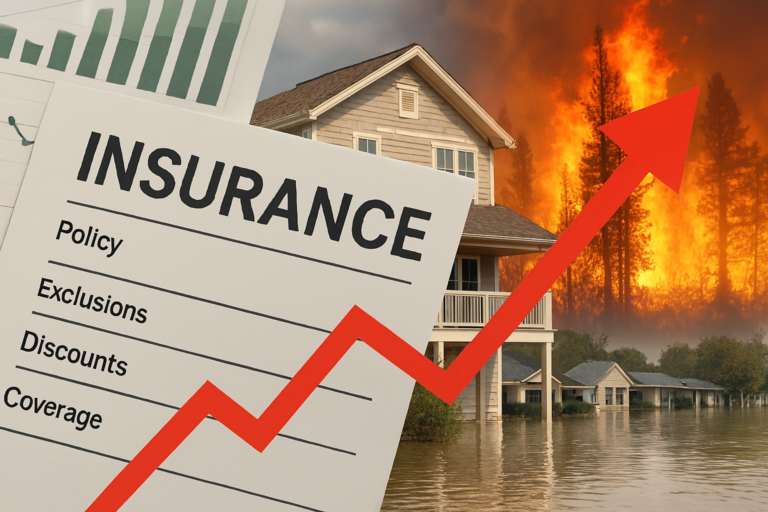
A recent buyer thought their deal was safe. Then the insurance and insurability quote arrived at $8,000 a year instead of $2,000. The shock ended the contract within hours. Situations like this are growing. Major carriers are leaving states such as California and Florida, and premiums are rising 20–30% nationwide. These trends reshape budgets fast.
This shift matters because higher insurance costs raise operating expenses. Increased operating expenses reduce Net Operating Income (NOI). Lower NOI leads to lower property values, and that can ruin a deal. Because insurance and insurability now influence value and financing, buyers must prepare long before an offer goes out.
Due Diligence Essentials That Protect You
Understand the C.L.U.E. Report Before You Commit
One powerful tool is the C.L.U.E. Report, which stands for Comprehensive Loss Underwriting Exchange. It shows prior insurance claims on a property. Carriers rely on this history to judge future risk, which shapes the premium you will pay. Because insurers use this data, buyers should demand the report early. It often reveals water damage, fire events, or liability claims hidden from listing notes. Although the report feels technical, it is simple to read with guidance. It may save you from inheriting years of risk.
Why Roof Age and System Lifespans Now Matter More
Many buyers trust general inspections. Yet insurers focus on 4-Point Inspections that cover the roof, HVAC, electrical, and plumbing. These systems decide whether a home is insurable. If the roof is old, the carrier may refuse coverage unless the buyer replaces it. Electrical panels from outdated brands often trigger denials too. Because these items directly affect insurance and insurability, buyers must study system age early. Even a clean report from a general inspector cannot override an insurer’s requirements.
Flood Maps 2.0 Are Quietly Changing the Rules
FEMA’s Risk Rating 2.0 changed flood insurance pricing. Older maps grouped entire neighborhoods together. New models assess risk property by property, using more granular data. Many homes now fall into higher-cost zones. Some premiums doubled overnight. Because these maps drive insurance and insurability decisions, buyers should check the property’s flood zone before negotiating. A higher rate can reshape long-term affordability.
How Insurance Costs Impact Mortgage Qualification
DTI Ratios Can Collapse Without Warning
Lenders use Debt-To-Income (DTI) ratios to check affordability. A sudden insurance jump of even $400 per month can destroy a buyer’s approval. The buyer may lose eligibility in minutes because the ratio no longer fits lending guidelines. Although the buyer may have the income, the lender still denies the loan because the ratio exceeds limits. This dynamic makes insurance and insurability far more important than most new buyers realize.
Escrow Shortages Surprise Current Homeowners
Rising premiums also hit existing owners through escrow shortages. Many are now opening their mail to find “escrow shock” letters. These letters demand higher monthly payments to cover insurance increases. Some homeowners face shortages of several thousand dollars. Because these letters are becoming common, owners should review their policies before renewal dates. Doing so gives them time to compare carriers and avoid sudden financial stress.
The New Reality for Buyers and Investors
The market has shifted. Insurance and insurability determine whether a deal survives. Buyers must adjust their workflow to protect themselves. First, treat insurance quotes as part of the offer stage. Next, request documents such as the C.L.U.E. Report and 4-Point Inspection results early. These steps reveal risks that may not appear in marketing materials or friendly seller conversations.
Additionally, buyers should model their numbers with wide premium ranges. Doing this shows whether the project still works if rates climb. Investors who plan ahead move faster and negotiate stronger. Sellers respond well to prepared buyers because fewer surprises arise during inspection periods.
How to Evaluate Insurance Before You Write the Offer
You can simplify the process by following a sequence. Begin by calling two or three local insurance brokers. Provide the address and property details. Brokers usually give quick estimates within a day. While waiting, pull the flood map. Then ask the seller for the C.L.U.E. Report. Some sellers resist, but buyers should insist. The report reveals claim patterns that drive premiums up.
After you collect the initial quotes, include them in your financial model. Look at the NOI impact closely. Even small annual increases add up when projected across ten years. If the numbers still work, move to inspection. If they do not, adjust your offer or shift to a stronger property.
Conclusion: Protect Your Deal Before You Even Begin
Insurance and insurability are now silent deal killers. They shift valuations, disrupt financing, and trigger unexpected costs. Therefore, buyers should not wait for inspection periods. Instead, secure insurance quotes before submitting the offer. Doing so prevents financial shocks, strengthens negotiations, and protects your investment.
If you want help navigating insurance and insurability risks, reach out today. Get expert guidance before you make your next offer.
About the Author