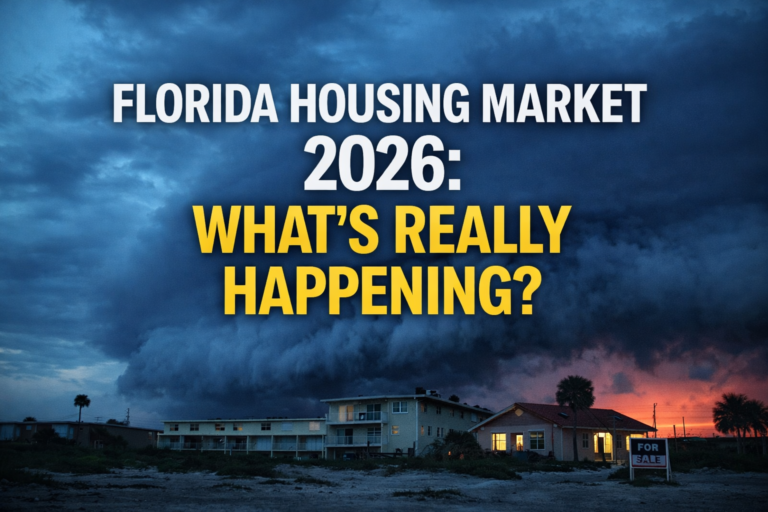
The Surge in Listings Story Has Evolved
Recall our earlier analysis of rising inventory. In 2024, more active listings only hinted at a cooling market. Now, the story is far more structural. Today, rising inventory is paired with notably falling demand. This potent combination creates a genuine surging listings market shift. Prices are now flattening or even falling in several key metropolitan areas. Sellers must compete harder than before just to finalize transactions. What does this significant inventory surge truly signify for the market today?
Inventory Keeps Rising, While Demand Shrinks
Unbelievable Inventory Spike Signals a Powerful New Era (2026)
Active listings remain well above $1$ million nationwide, according to current Realtor.com data. Furthermore, several key markets now show the highest inventory levels in years. This trend is especially pronounced in states like California, Texas, and Florida. Consequently, the days on market (DOM) have jumped sharply in many major metros (WolfStreet). We are seeing a fundamental change. Over 50% of recently closed homes first required a price reduction, The Independent reports. Buyers have clearly changed their behavior; browsing is up, but actual offers are definitely down.
Why Demand Is Cooling: New Buyer Psychology
Crucial Expectations: Why Demand Doesn’t Meet the Surge in Listings (2026)
More housing options exist, but demand is still slowing. Why? The expectation of “higher-for-longer” interest rates reduces buyer urgency. Many prospective buyers also expect future price declines. Therefore, this waiting period is actually encouraged by current market signals. Zillow and Fortune report a temporary fall rebound. However, this rebound is not significant enough to offset the long-term cooling effect. For example, Sun Belt markets are showing rising cancellations. This indicates buyers are gaining new negotiating confidence (Fortune). Similarly, investors have pulled back significantly. This reduces high competition in the entry-level price tiers (Redfin).
Regional Winners and Losers: Adapt or Fall Behind
Inspiring Growth and Disappointing Declines in Market Segments (2026)
Markets showing the strongest cooling:
- California metros show significant inventory spikes and rising DOM.
- Phoenix, Las Vegas, and Austin continue their pandemic boomtown corrections.
- Tampa, Orlando, and Dallas are experiencing rising cancellation rates.
Markets showing continued resilience:
- Midwest markets enjoy stability thanks to stable job bases.
- Northeast metros benefit from limited new construction and tight zoning.
- Select comeback markets have normalized pricing, and buyers are returning.
Price Trends: The Plateau and the Pullback
National price growth is now approximately $1\%$ Year-over-Year (CoreLogic data). Some metros are experiencing real declines, especially those that saw steep pandemic run-ups (ResiClub Analytics). Price cuts are quickly becoming the new standard. Sellers relying on 2021-2022 comparable sales face significant challenges. Now, buyers negotiate repairs, concessions, and closing credits far more aggressively.
Starter Homes: A Bright Spot Emerges
Starter-home sales are up $4.9\%$ Year-over-Year (TheStreet). First-time buyers are re-entering the market. This surge in inventory creates opportunity for them, not fear. Moderating mortgage rates allow more borderline buyers to qualify. Furthermore, investors are backing off. New buyers now face less competition. This specific segment is not cooling in the same drastic way as the upper tiers.
What This Means for Sellers in 2026
Sellers must optimize their strategies to compete. Price your home realistically based on current, not pandemic-era, comparable sales. Expect longer Days on Market unless your home is priced correctly. Prepare yourself for negotiations and concessions. You must stage the property more aggressively since buyers now have genuine choices. Finally, highlight features that appeal to today’s cautious buyer. These include energy-efficient features, updated roofs, and strong insurance options.
What This Means for Buyers in 2026
Buyers have gained substantial leverage. You now have more choices and greater negotiating power. This provides a better ability to request needed repairs or closing credits. You will also face lower competition from flippers and large investors. This is your clear opportunity. Consider buying in previously overheated markets during this active correction period.
Conclusion: The Market Shift Is Complete
The transition is now complete. We have moved from 2024’s mere inventory uptick to today’s full market rebalancing. The central takeaway is clear: buyers possess significantly more power. Sellers must adapt to this new reality immediately.
Total Recall
10 states where listings are surging
About the Author