Understanding the Shift: From ‘If’ to ‘When’ in Extreme Weather
The evolving landscape of climate patterns has transformed the perception of extreme weather events from a possibility to a certainty, pushing homeowners to reconsider their readiness for such occurrences. Historically, such events were viewed as anomalies—hurricanes, floods, or severe storms were categorized as infrequent threats. However, recent data indicates that the frequency and intensity of these weather patterns are on the rise, highlighting the urgent need for a proactive approach in homeownership.
According to the Intergovernmental Panel on Climate Change (IPCC), global average temperatures have significantly increased, resulting in more unpredictable weather. The number of extreme weather events has surged dramatically in recent years; for instance, the National Oceanic and Atmospheric Administration (NOAA) reported that the United States faced over 22 separate weather and climate disasters in 2020, each with damages exceeding one billion dollars. This broad and pressing trend compels homeowners to view preparedness as not merely an option but a vital necessity.
The shift from ‘if’ to ‘when’ can be further illustrated through case studies of communities that have faced devastating consequences due to inadequate preparedness. In 2017, Hurricane Harvey wreaked havoc in Texas, displacing thousands and causing catastrophic flooding. Many residents returned to find their homes irreparably damaged, leading to significant financial burdens. These examples underscore the critical importance of forward-thinking strategies to safeguard properties and lives. Ignoring the inevitable nature of extreme weather can lead to dire circumstances and regrettable losses.
To foster resilience in homeownership, it is essential to embrace robust preparation protocols and adaptive measures. The changing climate landscape is not merely a future concern—it is a current reality. Homeowners must act now, shifting their mindset to understand that preparedness is integral to mitigating risks associated with extreme weather events.
What to Consider When Buying a Home: Resilience as a Priority
In today’s rapidly changing climate, prospective homebuyers must prioritize resilience when evaluating potential properties. Understanding how a home will perform in the face of extreme weather events is crucial for long-term security and peace of mind. To make informed decisions, buyers should consider several key factors during their search.
First and foremost, conducting a location risk assessment is essential. This involves researching the area’s susceptibility to natural disasters such as floods, hurricanes, wildfires, and earthquakes. Buyers should investigate whether the property is situated in flood zones or regions at high risk for wildfire and take into account past weather events that have impacted the area. Such information will ascertain the likelihood of future occurrences and help gauge the risks associated with the investment.
Building codes also play a vital role in resilience. Homebuyers should inquire about local building regulations that require sustainable construction practices and materials designed to withstand specific environmental challenges. Homes constructed to comply with updated codes often feature enhanced structural integrity, elevated foundations, and proper drainage systems, all of which contribute to a property’s durability against extreme weather.
Another important consideration is the integration of sustainable features. Energy-efficient appliances and renewable energy sources, such as solar panels, not only lower energy costs but also reduce the carbon footprint. Moreover, ecosystems that involve landscaping employing drought-resistant plants can further enhance climate resilience. A home that minimizes its impact on the environment is likely more adaptive to climate changes.
Finally, buyers should explore the concept of ‘resilient design,’ which entails creating spaces that are not only visually appealing but also equipped to handle adverse weather. Prioritizing homes with such design elements can result in a more sustainable and safer living environment.
Preparing Your Home: Steps to Take Now
In the face of increasingly severe weather conditions, enhancing the resilience of your home is essential. One of the first steps homeowners should undertake is a comprehensive home inspection. This involves thoroughly assessing the structure for vulnerabilities such as leaks, cracks, or damaged roofing materials. Addressing these issues early can significantly reduce the risk of extensive damage during extreme weather events.
Fortifying outdoor structures also plays a vital role in preparing for severe weather. This includes securing fences, reinforcing garage doors, and ensuring that windows are protected by impact-resistant materials. Additionally, proper landscaping techniques can help redirect water runoff, thereby minimizing flooding risks. Consider planting native vegetation that can withstand heavy rains and strong winds, contributing to a more resilient landscape.
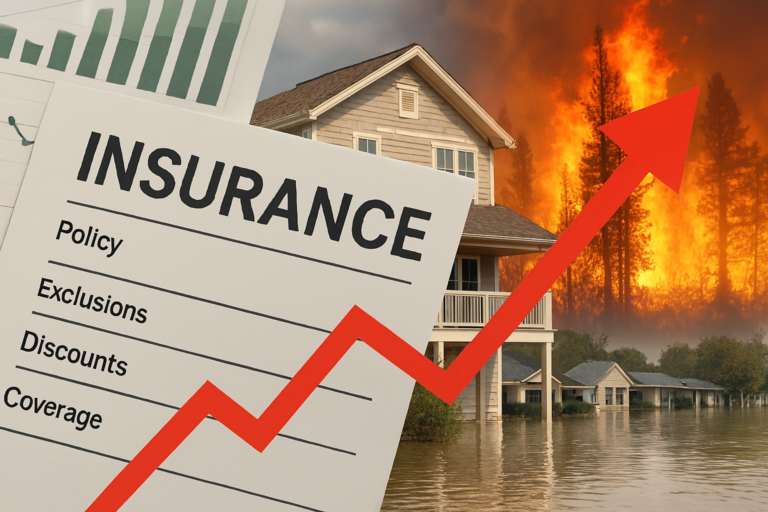
Investing in adequate insurance coverage is another critical step homeowners should take. Traditional homeowner’s insurance may not cover specific weather-related incidents, so it is prudent to review your policy and explore options such as flood or windstorm insurance. Ensuring that you have the right coverage will protect your financial interests in the event of weather-related damage.
Creating a robust emergency plan for your household is paramount. This plan should outline evacuation routes, emergency contacts, and a communication strategy for all family members. Additionally, consider assembling an emergency kit that includes necessary supplies such as food, water, first-aid items, and tools for basic repairs. This preparedness can make a significant difference during times of crisis.
Building connections within your community can provide vital support during extreme weather events. Engaging with local networks or organizations can facilitate resource sharing and assistance in emergencies. Furthermore, maintaining regular home maintenance practices, such as cleaning gutters and inspecting the roof, can prevent damage caused by buildup or debris during storms.
Responding to and Recovering from Extreme Weather Events
In the aftermath of an extreme weather event, homeowners must act swiftly to ensure their safety and begin the recovery process. The first priority should always be personal safety. Check for dangers such as downed power lines, gas leaks, or unstable structures. Once it is safe to do so, assessing the structural integrity of your home becomes crucial. This involves a careful examination of walls, ceilings, and foundations for any signs of damage that could pose further risks.
Documenting the damage is an essential step for homeowners seeking to submit claims to their insurance providers. This documentation should include photographs and written descriptions of affected areas and personal property. It is advisable to create a detailed inventory of damaged items, noting their condition prior to the event, as this will support the claims process. Additionally, it is wise to report damages to the insurance company as soon as possible, as many policies have time-sensitive requirements for claims filing.
The psychological impact of extreme weather events can be profound. Homeowners may experience stress, anxiety, and feelings of loss. To cope with these emotions, it is important to establish a support system. Reaching out to friends, family members, or professional counselors can provide critical emotional assistance. Engaging in community recovery efforts can also foster connections and offer a sense of purpose during the healing process.
After managing immediate needs, reflecting on the experience allows homeowners to refine their preparedness strategies for future events. This includes reevaluating their emergency plans, reviewing insurance coverage, and upgrading home features to improve resilience against extreme weather. By learning from each experience, homeowners can build a robust framework for proactive resilience, turning challenges into invaluable lessons for better safeguarding their homes in the future.
About the Author